

Parish of Calvary-St. George’s
The Parish of Calvary-St. George’s in New York City is host to a PreachFor America Fellow

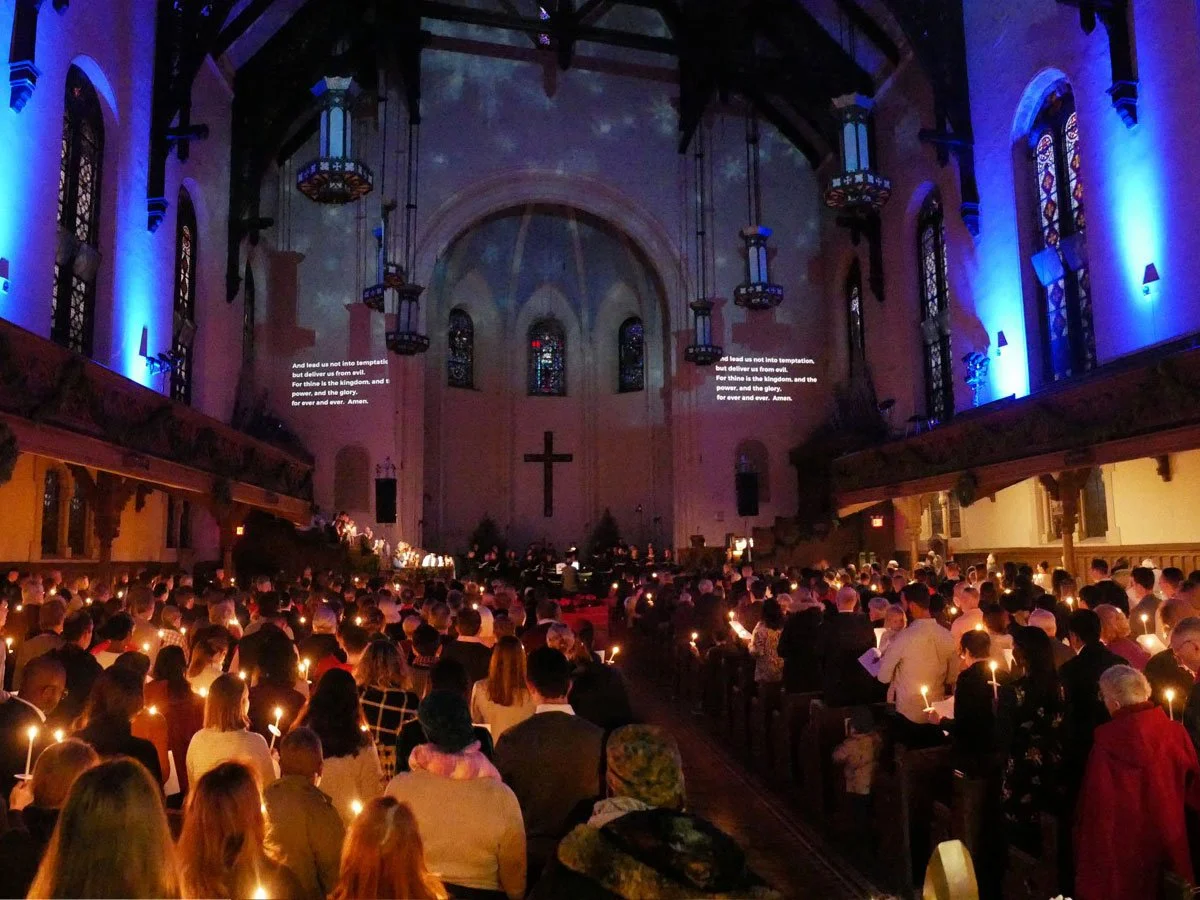
The Parish of Calvary–St. George’s is woven into the spiritual fabric of New York City. Formed in 1976 through the consolidation of three historic congregations, the parish carries forward a rich inheritance that continues to shape its identity, worship, and mission. As confessional Episcopalians, the parish understands itself to be both Reformed and Catholic—grounded in the Reformers’ rediscovery of the Gospel of grace while rooted in the historic worship and sacramental life of the Church as expressed through the Book of Common Prayer.
The parish has been profoundly shaped by the charisms of the churches that now comprise the church’s common life. St. George’s was long known as “a preaching barn,” and the parish continues to place a strong emphasis on preaching that clearly proclaims the God who is for sinners in Jesus Christ. Calvary’s role as the spiritual home of Alcoholics Anonymous reminds the parish that lasting transformation is born not from moral striving but from the experience of God’s unconditional grace and forgiveness. Holy Communion was known for liturgical excellence, and that legacy continues in worship that is reverent, beautiful, and accessible.
The Holy Eucharist stands at the center of the parish’s life together. From Sunday worship flow the habits that form the body as disciples: prayer, Scripture study, fellowship, and service. Through Bible studies, book groups, men’s and women’s ministries, the Daily Office, and service to the parish’s neighbors, Calvary-St. George’s seeks to be a community shaped by Word and Sacrament and sent into the world as witnesses to Christ.
Leadership within the parish is both shared and relational. While the vestry and rector exercise governance and oversight, much of the leadership is formed through participation, mentoring, and example. Calvary-St. George’s believes leadership is best learned in a community, where responsibility is entrusted gradually, mistakes are met with grace, and wisdom is passed from one generation to the next. The parish’s culture is shaped by a simple question: “Now that you don’t have to do anything, what do you want to do?” The parish seeks to cultivate joyful service rather than obligation.
As rector, Rev. Jacob Smith believes the future of the Church depends upon forming leaders who are deeply grounded in the Gospel, shaped by prayer and worship, and equipped to proclaim that Gospel in a culture less and less familiar with the Biblical story. Therefore the Church does not need novelty as much as it needs confidence in the enduring power of the Gospel. At the same time, every generation must learn how to communicate that Gospel afresh to the world it inhabits.